

What Trauma-Informed Emotional Intelligence Actually Means
There are two versions of emotional intelligence (EQ) training. One is genuinely useful. The other — without meaning to — sets people up to fail. The difference comes down to one question: Does the model account for what overwhelming experience does to a person's ability to use their EQ in the first place?
Most models don't. And that's not a critique. It's a gap.
Standard EQ frameworks were built for people whose nervous systems are working within a functional range. They teach skills like self-awareness, regulation, empathy, and communication. Those skills matter. But when someone has experienced significant stress, loss, or trauma — and in most workplaces, that's a lot of your team — those same skills become harder to reach. Not because the person lacks willingness. Because of how the nervous system works under threat.
This is where Quiet Cracking begins. In the slow, invisible erosion of the very capacities that people and organizations are trying to develop. Trauma-Responsive Emotional Intelligence — TR-EQ — was built to address exactly that.
What Changes When Trauma Is in the Room?
Take self-awareness. Standard EQ assumes you can build it through reflection and honest feedback. That's true — unless someone has learned that knowing what they feel leads to punishment or rejection. In that case, the protective move is to stop knowing. Self-awareness itself becomes threatening. Building it back requires safety first. Then patience.
Take self-regulation. Most models frame it as a skill — the ability to manage your emotions well. TR-EQ recognizes something different. When a nervous system has been repeatedly overwhelmed, what looks like a regulation problem is often a nervous system state. The body's doing exactly what it learned to do to stay safe. A breathing exercise and a tip sheet won't reach that. Real support does.
Take motivation. When someone puts in real effort and keeps being dismissed or ignored, motivation adapts. The person stops investing where investment produces nothing. For individuals, this reads as burnout. For organizations, it shows up as low engagement, retention loss, and a workforce that's present but not really there.
And empathy. People with histories of overwhelming experience are often exquisitely empathic. Sometimes to a degree that costs them. The question isn't whether empathy exists. It's how experience has shaped where it goes — and at what expense.
The Reframe That Changes Everything
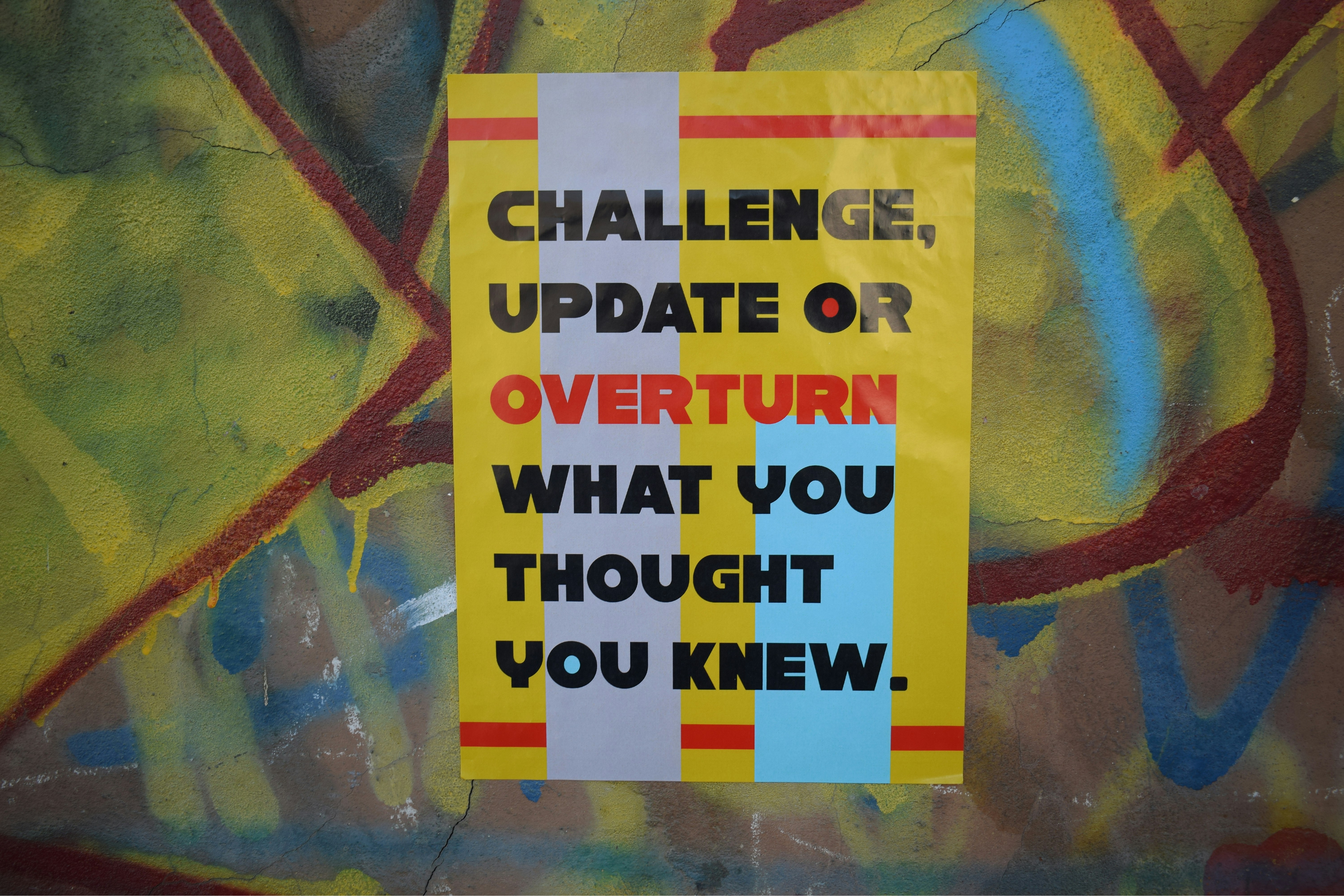
Here's the central shift in TR-EQ. Behaviors that look like deficits are, through this lens, adaptations. They're what a person learned to do to survive something genuinely overwhelming. They were functional once. They may be getting in the way now. But they're not character flaws. Treating them as such is both inaccurate and damaging.
For individuals, this reframe is often the beginning of real change. Releasing the self-judgment around adaptive behaviors frees up energy to build new ones. That's part of the path toward Unbreakably Alive — not fixing what's broken, but understanding what adapted, and gently expanding what's possible.
For organizations, it shifts the whole frame on workforce development. Instead of asking what's wrong with these people, the better question is: what has our culture been asking people to survive? And what's that cost? That question leads somewhere useful. The other one rarely does.
Want to learn how TR-EQ could transform your team's development or your own path forward? Visit http://the-tia.org to explore our programs or book a consultation and speaking engagement.



Email our Admin:
©Copyright 2025 EPower & Associates, Inc. All Rights Reserved.
Privacy Policy | Terms of Use
Featured On...
